The computer Mouse

As part of an ARPA-funded experiment to find better ways for computer users to interact with computers, Douglas Engelbart of SRI—who would later work on the DARPA-sponsored ARPANET project, the Internet’s precursor—invented the computer mouse. The first mouse was carved out of wood and had just one button. Later incarnations such as this early Logitech® mouse led to the diversity of mice now on desktops around the world.
The mouse was an early example of many innovations that DARPA would help nurture into various components of the information technology landscape over the next five decades. In What Will Be (HarperCollins, 1997), author Michael Dertouzos credits DARPA with “… between a third and a half of all the major innovations in computer science and technology.”
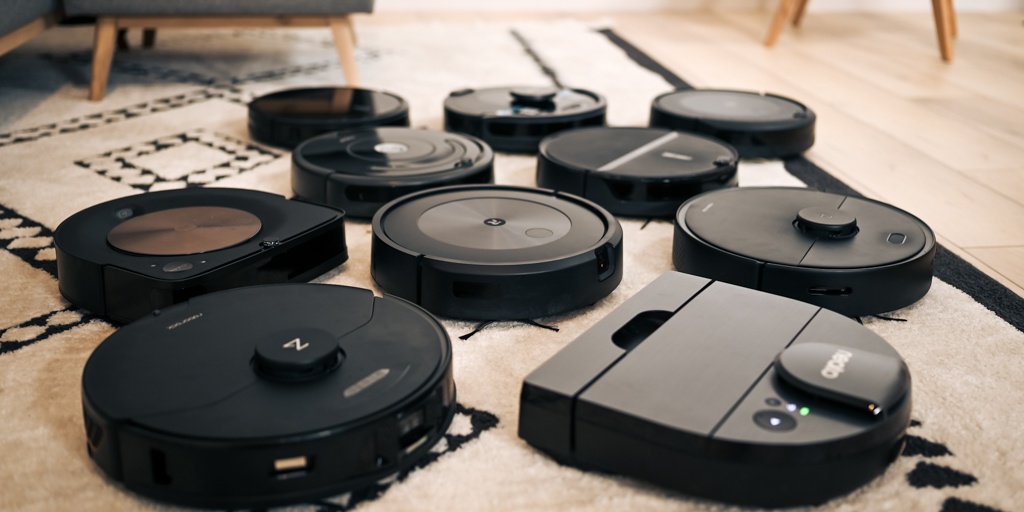
Look at these robot vacuums, all have patents. Patents don’t communicate who was the first to successfully commercialise the robot vacuum.
Some of the world most famous and ground breaking products, are not patented. So until the “Originator Mark” there was not symbol to easily give them credit for their achievement.
Here is a products iconic original product, the Les Paul, the first solid back electric guitar. It does not have a patent, as it ran out 40 years ago. But they are still in business… & people want to know they did that..