Because originality is hard to be sure of........

These days, it’s hard to quickly and confidently figure out whether a product is truly the first of its kind or the original in the market.

Patents don’t really solve this problem. They’re designed to protect intellectual property, often covering small improvements to existing designs. They also focus on inventors, not the teams and people who actually bring a product to market.

Because of that, patents don’t do much to highlight genuinely original products—the kind of first-to-market breakthroughs that create entirely new categories.

That’s where Originator comes in. That’s our mission.

Originator focuses on answering four key questions that consumers care about:
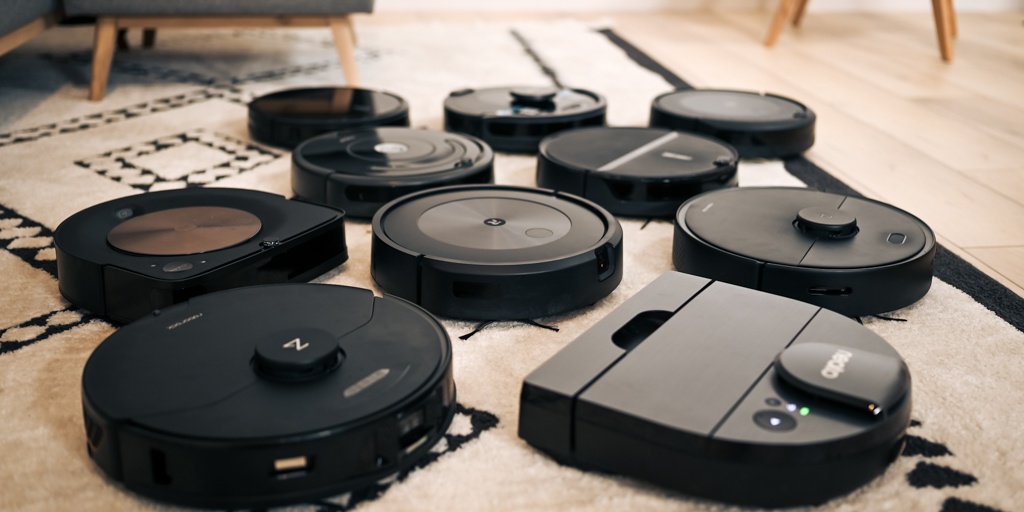
#1 They all have patents, but who is the Originator?

Look at these robot vacuums, all have patents. Patents don’t communicate who was the first to successfully commercialise the robot vacuum.

Robot Vacuums

#2  Frequently original products don’t have, or cannot get patents.

Some of the world’s most famous and ground-breaking products are not patented. So until the “Originator Mark,” there was no symbol to easily give them credit for their achievement.

#3 Even iconic products we all know as original don’t have patents.

Here is an iconic original product, the Les Paul, the first solid-back electric guitar. It does not have a patent, as it ran out 40 years ago. But they are still in business. People want to know they did that.


#4 Just launched  products being copied

Recently launched products are now copied by similar products in weeks rather than years.
 
Because ideas are disseminated so much faster on the internet.


Often, the consumer cannot even find out who brought this to market if they want to buy from the original product creator.


That is why Originator Mark was created .. We rated products against our criteria that was developed after an extensive survey of what consumers wanted to know, & in conjunction with academics from the relevant disciplines.

How can they quickly & reliably let consumers know they created this new idea, & gave us this product.

With the power of network, the logo appears across the internet and people can get this information in the blink of an eye.

Articles of Interest:

Innovation vs. Invention: Make the Leap and Reap the Rewards :Wired 

How to Build a Culture of Originality: Harvard Business Review

Innovation and Originality in Design: ijres.org